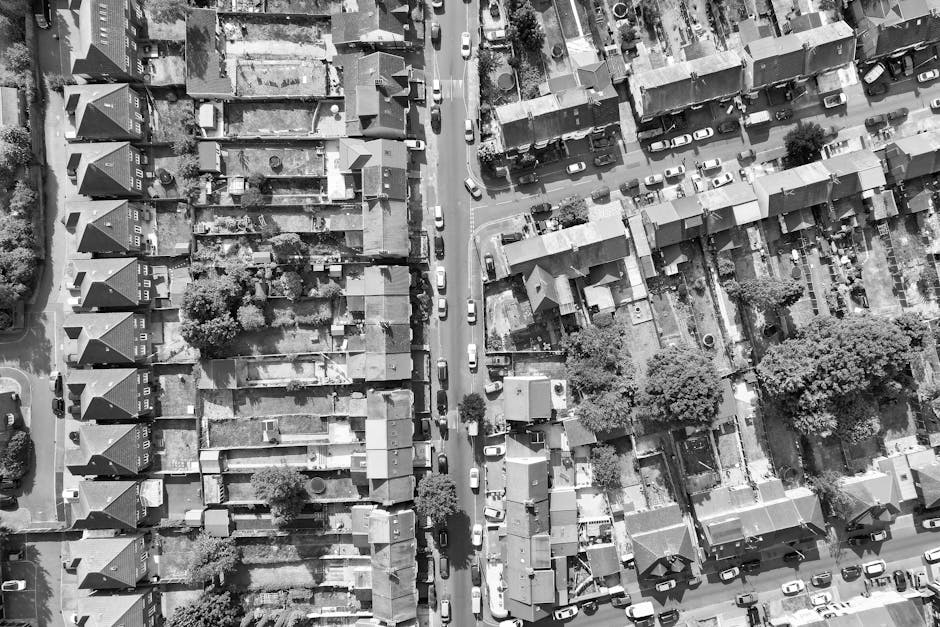
Streatham High Road removals for tight access homes
Posted on 27/07/2026
Streatham High Road removals for tight access homes: a practical guide for awkward access, narrow stairwells and busy streets
If you are planning Streatham High Road removals for tight access homes, you already know this is not a simple "park outside and carry everything in" job. Between narrow hallways, shared entrances, steep stairs, limited kerb space and the usual London traffic, even a modest move can turn fiddly fast. The good news? With the right planning, the right vehicle, and a calm step-by-step approach, a tight-access move can be handled cleanly and without drama. This guide walks you through what matters, what to check, and how to avoid the sort of mistakes that make moving day feel twice as stressful as it needs to be.
For wider context on the local area, you might also find this look at Streatham's character and history and these Streatham living insights useful when planning your move.

Why Streatham High Road removals for tight access homes Matters
Tight access changes everything. On Streatham High Road, homes and flats can sit above shops, behind side gates, in converted buildings, or along roads where stopping safely is not straightforward. That means the move is no longer just about lifting boxes; it becomes a logistics job. The difference between a smooth day and a chaotic one is usually found in the details: where the van can stop, how far items must be carried, whether a sofa will clear the stair turn, and whether your move-in slot is realistic for the building layout.
In practice, a tight-access move often involves a few extra layers of judgement. You may need a smaller van rather than a large truck. You may need to split the move into shorter shuttle loads. You may need proper protection for communal areas so the hallway walls do not end up looking like they went ten rounds with a wardrobe. None of this is unusual. It just needs attention before the first box leaves the property.
That is why a local service familiar with Streatham can make such a difference. Not because the job is magical, but because experienced movers know how to read a property quickly. A good team spots the "problem points" almost immediately: the awkward entrance, the tight kerb, the no-lift third floor, the old banister, the low tree branch, the entrance buzzer that takes a small eternity to answer. You get the idea.
Expert summary: The main challenge in tight-access removals is not strength, it is sequencing. If the route, van size, timing and packing order are right, the rest becomes far more manageable.
How Streatham High Road removals for tight access homes Works
The process starts before moving day. A proper assessment asks simple but important questions: How wide is the entrance? Are there steps at the front door? Is there a lift, and if so, how large is it? Can the van stop directly outside, or will it need to wait a little further down the road? Can bulky furniture be dismantled in advance? These details decide the plan, and the plan decides whether the move feels controlled or messy.
Once the access is understood, the move is usually broken into stages. First comes parking and loading strategy. Then comes the order of items. Then comes protection: blankets, straps, wraps, corner guards, floor protection where needed. Finally, the items are moved in a sequence that suits the property rather than forcing the property to suit the move. That sounds obvious, but truth be told, many problems happen when people start with the biggest item and hope for the best.
For homes with very restricted access, a smaller vehicle can sometimes be the smartest choice. A service such as man and van Streatham or removal van Streatham may be better suited than a larger lorry, especially where stopping space is limited. If the property is a flat with stairs, shared corridors or an entry system, the approach often needs to be even more careful, so flat removals Streatham can be the more relevant service to look at.
You may also see the moving day split across multiple trips if the access route is too tight for a single full load. That is not a failure; it is just a practical solution. Let's face it, a short extra shuttle can be much safer than forcing a sofa through a staircase that clearly disagrees with it.
Key Benefits and Practical Advantages
The biggest advantage of specialist tight-access removals is reduced risk. When access is tricky, rushed handling is what causes damage: scuffed walls, scraped furniture, strained backs, or items becoming stuck in a stairwell at the exact moment everyone goes quiet. A measured approach reduces that risk quite a bit.
There is also a time benefit. Counterintuitive, maybe, but true. A well-planned tight-access move is often faster overall than a poorly planned standard move because nobody is backtracking, re-lifting, or improvising on the driveway with a frustrated expression and a screwdriver in hand.
- Less damage risk: careful lifting, wrapping and routing protect furniture and property.
- Better van choice: smaller or more suitable vehicles can reduce parking stress on busy roads.
- Cleaner sequencing: items are loaded in an order that matches the property layout.
- Lower stress: you are not trying to solve access problems while carrying a bed frame.
- More realistic timing: the schedule reflects the actual building, not a generic moving day estimate.
If your move includes furniture that needs extra care, it can help to review furniture removals in Streatham and, where relevant, packing and boxes in Streatham so the items are protected properly before loading begins. That small bit of preparation can save a surprising amount of faff.
There is another benefit that people often miss: neighbour relations. On a busy road, being efficient, quiet and tidy matters. A move that blocks the pavement for less time and leaves the communal area neat tends to go down a lot better. Small thing, but important.
Who This Is For and When It Makes Sense
This kind of removal service makes sense for anyone living in a property where access is not straightforward. In Streatham, that often means upper-floor flats, converted terraces, maisonettes, tucked-away mews-style homes, or properties with narrow internal stairs. It can also apply to people on the High Road itself, where front access may be more exposed to traffic, pedestrians and loading restrictions.
It is especially relevant if you are moving:
- from or into a flat with no lift
- from a building with a narrow stairwell or awkward turns
- from a property with restricted parking nearby
- with bulky items like sofas, wardrobes, or beds
- on a tight schedule, such as a same-day handover
- with children, pets, or elderly family members who need the day to stay calm
Students and first-time renters often underestimate how much access affects the whole job. If that is you, have a look at student removals Streatham for a move that suits lighter loads and quicker turnaround, or house removals Streatham if you are moving a fuller household and need a more structured plan.
It also makes sense when you simply do not want the moving day to become a public performance. Moving is personal. You do not need everyone on the street watching the process of getting a mattress through a half-open gate. No thank you.
Step-by-Step Guidance
Here is the practical version. Not the glossy version. The version that actually helps on the day.
- Check access properly. Measure doorways, stairs, landings, lift dimensions and any awkward corners. Take photos if possible.
- Identify parking options. Note where a van can safely stop, how long it can stay there, and whether the road is busy at your chosen time.
- List every bulky item. Sofas, tables, beds, wardrobes, appliances and anything awkwardly shaped should be named early.
- Decide what can be dismantled. A bed frame or table that comes apart neatly is much easier to move through tight spaces.
- Pack by room and weight. Keep boxes manageable. Overpacked boxes become a problem on stairs, and they hurt your hands too.
- Protect the route. Blankets, coverings and floor protection are worth using in shared buildings or freshly painted spaces.
- Load in a sensible order. Put the most awkward items in first only if it really helps the flow. Sometimes it does, sometimes it absolutely does not.
- Keep the path clear. Hallways, landings and entrances should stay open. One small bag left in the wrong place can slow everything down.
- Confirm timing with everyone involved. Landlord, building manager, movers and any helper at the destination should all know the plan.
- Leave a buffer. Tight access moves need a little breathing room. A 15-minute delay is normal; panic is not helpful.
If storage is part of the plan because your dates do not line up, or you are moving out in stages, storage in Streatham can help bridge the gap without making the property feel cluttered while you sort everything out.
Expert Tips for Better Results
In our experience, the best tight-access moves are won before the van arrives. The first tip is simple: reduce volume before you pack. If a drawer unit is full of books, take the books out first. If a wardrobe is overloaded, empty it. Heavy furniture is one thing; unnecessarily heavy furniture is another entirely.
Second, think in terms of movement, not just ownership. A chest of drawers that looks fine in a bedroom may become a nightmare on a narrow stair landing. Ask yourself: can this item turn? Can it tilt? Can it be carried without twisting someone's back or a wall edge? That little bit of thinking saves pain later.
Third, use the building's rhythm. If the road is calmer earlier in the morning, that may be the better moving window. If the entrance is shared with multiple flats, try to avoid the busiest part of the day. You do not need a perfect plan. You need one that works in the real world, which is slightly messier.
- Book movers who understand awkward access and narrow staircases.
- Share photos of the entrance, hallway and staircase before the move.
- Keep fragile items in smaller boxes so they are easier to carry.
- Use good labels on all sides of boxes, not just the top.
- Confirm whether any large items need disassembly and reassembly.
If you want a broader sense of the service range available locally, the services overview is a sensible starting point. And if you are comparing providers, the page on removal companies in Streatham can help you think through what to look for, beyond just the headline price.
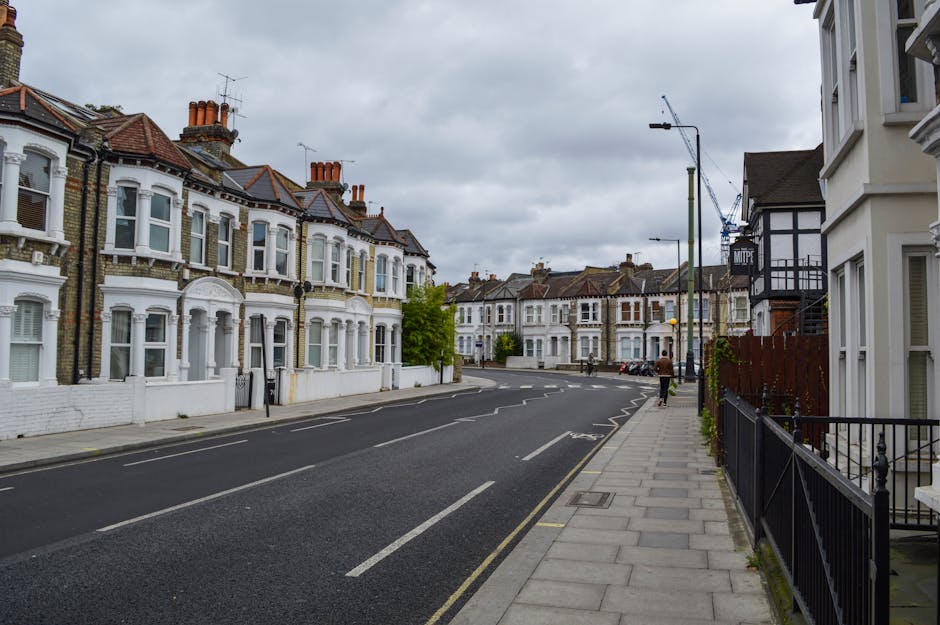
Common Mistakes to Avoid
The most common mistake is assuming access is "probably fine". Probably fine is not enough. A doorway that looks generous at first glance can still be unusable once a mattress, banister, lamp, and a person trying not to swear are all in the same space. Measure, check, and then check again.
Another mistake is overpacking boxes. When people are moving from compact homes, they often try to squeeze everything into fewer boxes. It feels efficient until the box tears at the bottom on the third floor. Not ideal.
A third mistake is leaving parking or stopping arrangements until the day itself. On Streatham High Road, that can create delays quickly. Even a short wait can make the whole schedule wobble, especially if there is traffic or a narrow loading window.
Here are a few more to watch for:
- not measuring stair turns and landings
- forgetting to warn neighbours or building management
- failing to dismantle items that clearly should come apart
- mixing fragile and heavy items in the same box
- assuming one van size fits every property
- leaving keys, fobs, or entry codes until the last minute
And one more, very human one: trying to do too much yourself. It is admirable, sure, but there is a point where "saving money" becomes "spending the afternoon trapped beside a sofa". Be honest about that line.
Tools, Resources and Recommendations
You do not need fancy kit, but the right basics make a big difference. For tighter homes, the useful tools are often the simplest ones: a tape measure, strong tape, decent labels, furniture blankets, ratchet straps, gloves and a few reusable bags for loose items. Small things, yes, but the small things matter here.
If you are packing yourself, it is worth getting proper packing materials rather than random supermarket boxes that buckle under pressure. The page on packing and boxes Streatham is useful if you want to keep everything consistent and easy to stack. For delicate or valuable pieces, consider specialist handling through piano removals Streatham or other dedicated furniture support when the item genuinely needs it.
For readers who want a more managed service, man with a van Streatham can suit smaller, more flexible moves, while larger or more complex households may benefit from a fuller removals Streatham service. It really depends on the volume, access and how much help you want on the day.
| Need | Best fit | Why it helps |
|---|---|---|
| Small flat, quick move | Man and van | Flexible and easier where parking is tight |
| Family home or fuller load | Full removals service | Better for volume, handling and planning |
| Limited same-day timing | Same-day removals | Useful when dates change or handover is tight |
| Items needing extra care | Specialist furniture handling | Reduces risk with awkward or valuable pieces |
If timing is especially awkward, you may want to review same-day removals in Streatham. Just keep in mind that urgent moves still need a little order behind them; urgency is not the same thing as chaos. Thankfully.
Law, Compliance, Standards and Best Practice
For removals in the UK, the main legal and practical duties usually centre on safety, vehicle suitability, parking awareness, and care for the property being moved. The exact obligations can vary depending on the building, the council area, the road, and the type of property. So rather than making broad claims, the safest advice is to treat access planning as part of responsible moving practice, not an optional extra.
Good movers should work with sensible health and safety habits: safe lifting, clear walkways, suitable protective equipment, and realistic load sizes. If you are comparing services, it is worth reviewing a company's approach to insurance and safety and their health and safety policy. Those pages tell you a lot about whether the business is taking the job seriously or just hoping for the best.
Payment transparency matters too. A good removal service should be clear about what is included, what may change the price, and what happens if the access is more difficult than expected. If you want to understand that side of things in advance, pricing and quotes and payment and security are worth a look. It is boring only until something goes wrong, then it suddenly becomes very interesting.
For trust and accountability, other useful reference pages include about the company, terms and conditions, privacy policy, and complaints procedure. They are not exciting reading, no. But they are the kind of pages that show a business is prepared to be accountable.
Options, Methods, or Comparison Table
Choosing the right approach depends on how tight the access really is, how much you are moving, and how much support you need. A quick comparison helps.
| Method | Best for | Strengths | Trade-offs |
|---|---|---|---|
| Man and van | Smaller loads, flexible access | Simple, adaptable, often easier on tight streets | Less capacity for large household moves |
| Full removals service | Family homes, multiple rooms, complex access | More support, better planning, stronger handling capacity | May feel unnecessary for very small moves |
| Same-day removals | Urgent schedules, fast handovers | Speed and convenience | Less margin for mistakes if access is not prepared |
| Storage-led move | Broken chains, temporary gap between dates | Flexible timing, less clutter | Requires extra handling and planning |
If you are unsure which method fits your situation, a broader look at removal services in Streatham can help you compare the moving options without guessing. That is often the easiest way to avoid paying for more than you need, or too little for what the property actually demands.
Case Study or Real-World Example
Picture a two-bedroom flat near Streatham High Road, upper floor, no lift, narrow staircase, and a front entrance shared with other residents. The client has a sofa, a bed frame, a wardrobe, several boxes of books, and a few fragile kitchen items. On paper, nothing dramatic. In reality, it needs coordination.
The first thing a careful mover would do is check the stair width and the turn at the landing. Then they would look at the sofa measurements and decide whether it should be carried upright, wrapped, or partially dismantled. The wardrobe might be broken down in advance. Boxes of books would be repacked into smaller, manageable containers because heavy boxes on stairs are not clever, however determined everyone feels at 8am.
On the day, the van is positioned where it can load safely without blocking the route longer than necessary. The building entrance is protected. Fragile items are loaded separately. The move may take a little longer than a simple ground-floor job, but it remains controlled from start to finish. No shouting, no panic, no "we thought it would fit if we just angled it a bit more".
That is the real value of a tight-access approach: fewer surprises, fewer scrapes, and a moving day that feels like a process rather than a gamble.
Practical Checklist
Use this before the moving team arrives. It keeps things grounded.
- Measured doors, stairs, landings and lift dimensions
- Checked where the van can stop and for how long
- Confirmed access codes, keys and entry arrangements
- Listed all bulky or awkward furniture
- Decided what needs dismantling before the move
- Packed books and heavy items into smaller boxes
- Separated fragile items and labelled them clearly
- Protected floors, corners and shared areas where needed
- Told neighbours or building management about the move
- Set aside essentials for the first night
- Reviewed insurance, safety and terms in advance
- Left a little time buffer for road traffic or access delays
If you are looking for a flexible setup, you can also compare the local options for removal services in Streatham alongside man and van Streatham and removal van Streatham. There is no one perfect answer for every property. Just the best fit for your one.
Conclusion
Streatham High Road removals for tight access homes are all about precision, patience and the right setup. When access is limited, the move succeeds because the details are handled early: the vehicle choice, the packing method, the stair route, the timing, and the protection of both furniture and property. Get those right, and the whole day becomes noticeably easier.
The real aim is not just to move things from A to B. It is to do it without unnecessary strain, damage or stress. And honestly, that is worth planning properly. A little thought up front saves a lot of shoulder aches, awkward pauses and minor regrets later on.
Get a free quote today and see how much you can save.
And if you are still shaping the move, take a calm breath. Tight access looks intimidating until you break it down into manageable steps. Then it is just a move, after all.